News
El Niño Raises Concerns Over Heat, Water Shortages and Food Security in Nigeria




News4 hours ago
President Tinubu Celebrates Atiku At 80

News10 hours ago
Smart December Spending Can Help Nigerians Avoid the January Financial Squeeze

Politics10 hours ago
2027: Tinubu May Lose Lagos, Oyo As Atiku, Obi, Makinde Target Other South-West States – Obaseki

News10 hours ago
Your Wife’s Money Is Hers Not Yours; Don’t Feel Entitled — Pastor Poju Oyemade Tells Men

News10 hours ago
Edo Roads Are Too Bumpy, Fix Them If You Want Me Back – Pastor Benny Hinn Tells Okpebholo

News10 hours ago
If I Decide To Keep Quiet, I Will Die In This Journey — Popular Prophet Cries Out For Help Over Drug Addiction

News10 hours ago
Tinubu Has Made Business Registration More Affordable – Seyi Law

News10 hours ago
You Must Buy Prayer Materials Before Entering My Church – Pastor Adom Kyei-Duah

News1 day ago
ZARA ECOSYSTEMS CONSORTIUM AND SOUTH EAST DEVELOPMENT COMMISSION (SEDC)EXPLORE STRATEGIC DEVELOPMENT PARTNERSHIP

News2 days ago
Sexual Assault Claims: ‘We Are Examining Video To Verify Its Authenticity Or AI — Daura Emirate Council

News6 days ago
I Feel Pretty Foolish – Elon Musk Admits After Spending Nearly $500m on US Elections Won by Democrats

News6 days ago
19-Year-Old TikToker Sentence To 5 Months In Prison, 10 Strokes Of Cane For Insulting Hisbah Commander

News4 days ago
11 Die, 180 Hospitalised After Consuming Alcohol in India

News1 day ago
US Names More Nigerians in ‘Worst of the Worst’ List

News6 days ago
Court Bars Jimmy Odukoya From Acting As Fountain Of Life Church Senior Pastor
News3 days ago
2027: Northern APC Youths Withdraw Support for Tinubu Over Insecurity, Hardship

-
 News1 day ago
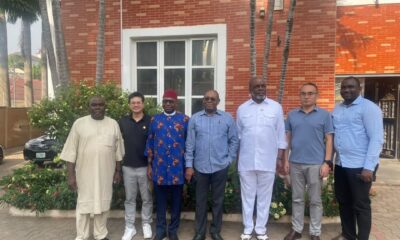
ZARA ECOSYSTEMS CONSORTIUM AND SOUTH EAST DEVELOPMENT COMMISSION (SEDC)EXPLORE STRATEGIC DEVELOPMENT PARTNERSHIP
-
 News2 days ago
Sexual Assault Claims: ‘We Are Examining Video To Verify Its Authenticity Or AI — Daura Emirate Council
-
 News1 day ago
US Names More Nigerians in ‘Worst of the Worst’ List