
News
Nigeria Bans Use of “Dr” Title by Honorary Degree Holders


Business11 hours ago
Union Bank and Brand Chief Receive Accolades at WIMCA 2026

News11 hours ago
Former Catholic Knight Arrested Over Alleged Ritual Cleansing Exercise In Nnewi

News11 hours ago
NAFDAC Secures 64 Convictions, Removes ₦1.54tn Fake Products From Nigerian Markets

News11 hours ago
Nollywood Actress Temitope Osoba To Be Buried In Ogun On Thursday

Politics11 hours ago
2027: I Improved Anambra, I Can Do Same for Nigeria — Peter Obi Replies Datti

Politics11 hours ago
Rivers Voters, Not Wike, Will Decide Election – ADC Tells Minister Ahead of 2027

News12 hours ago
Tanzania President Samia Hassan Loses Husband at 77

News1 day ago
Oba of Benin Suspends Palace Praise Singers Over Alleged Breach Of Tradition

News1 day ago
Igho ‘Tiny’ Ubiribo Who Died After Penis Enlargement Surgery was Once Declared Wanted for Drug Trafficking by NDLEA

News6 days ago
Dan Orbih, PDP Chieftain and Wike Ally, Dies at 64

News5 days ago
37 Suspected oil Thieves Die After Inhaling Substance in Rivers

News6 days ago
Bank of America Vice President Killed in Random Times Square Knife Attack

News5 days ago
Uber Exits Nigeria After 12 Years, Winds Down Operations Nationwide

News7 days ago
Ridiculous’ — Dino Melaye Blasts Presidential Jet Fleet Expansion

News1 day ago
If I Become President in 2027, I’ll Reduce Petrol, Cooking Gas And Aviation Fuel Prices To below ₦200 Per — SDP candidate, Adebayo

News6 days ago
Police Probe APC Senator, Borno Commissioner, Kuje Chairman Over Alleged Inciting Comments

-
 News1 day ago
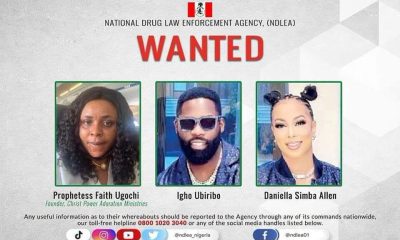
Igho ‘Tiny’ Ubiribo Who Died After Penis Enlargement Surgery was Once Declared Wanted for Drug Trafficking by NDLEA
-
 News1 day ago
If I Become President in 2027, I’ll Reduce Petrol, Cooking Gas And Aviation Fuel Prices To below ₦200 Per — SDP candidate, Adebayo
-
 News2 days ago
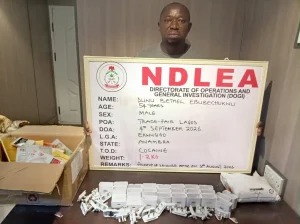
NDLEA Arrests Convicted Trafficker Behind 1.2kg Cocaine Shipment to Saudi Arabia