The Federal Government has announced plans to publish a detailed report outlining how savings from the removal of fuel and foreign exchange subsidies have been utilised, nearly three years after the reforms were introduced.
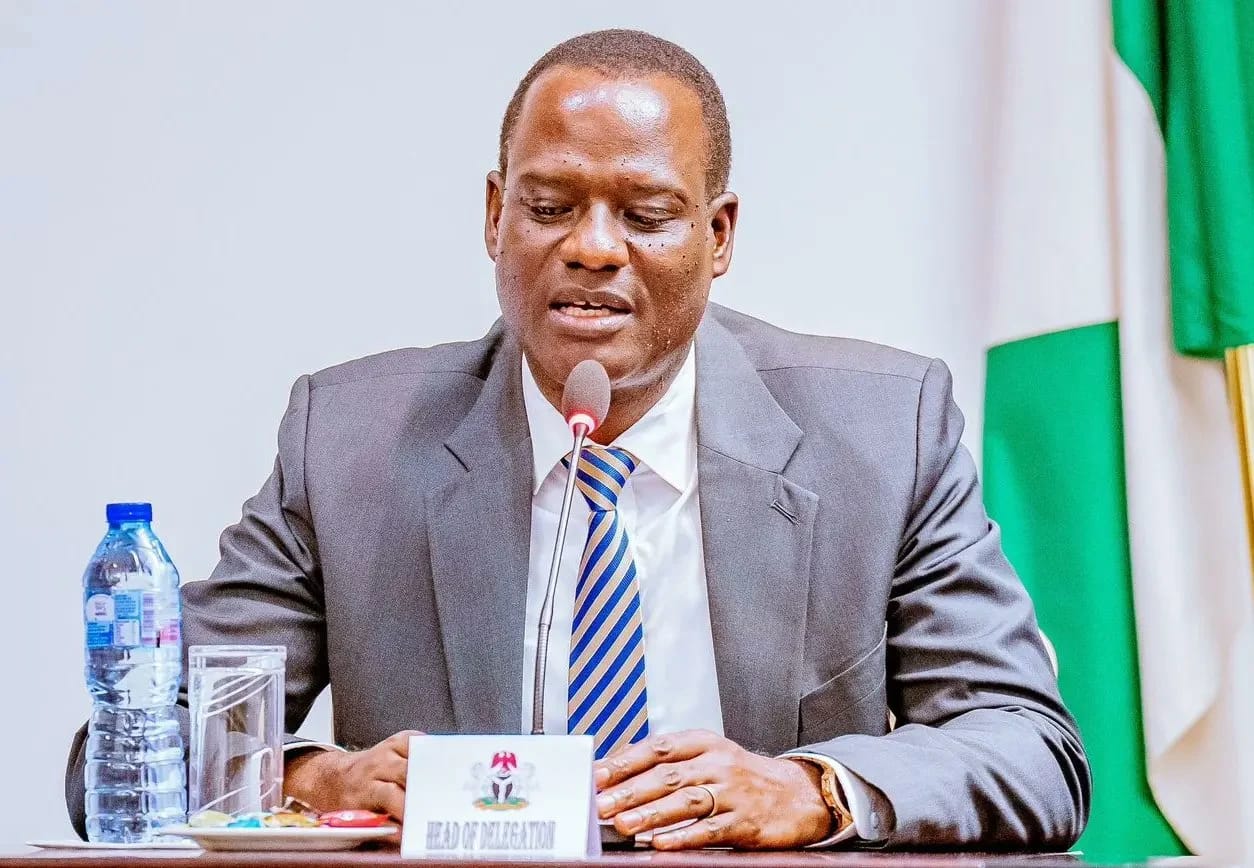
The Minister of Finance and Coordinating Minister of the Economy, Taiwo Oyedele, disclosed this on Thursday at the 7th Africa Emerging Markets Forum in Abuja, saying the report is intended to address growing public calls for transparency and accountability over one of the administration’s most far-reaching economic reforms.
According to him, the document, expected to be released in the coming days, will provide a comprehensive analysis of the fiscal gains from the removal of fuel subsidies and the liberalisation of the foreign exchange market.
“In a few days, you will see the detailed analysis because we believe we owe a duty to explain what we do to the Nigerian people. That’s what transparency looks like,” Oyedele said.
The minister explained that the savings generated from the reforms have largely been used to meet critical government obligations, including ending deficit financing through the Central Bank of Nigeria, servicing rising debt obligations, implementing the new ₦70,000 national minimum wage, and funding social intervention programmes.
He noted that borrowing costs have increased significantly, with interest rates rising from about eight per cent before the reforms to as high as 24 per cent, while the wage review has substantially expanded the government’s personnel expenditure.
Oyedele also revealed that the Nigerian Education Loan Fund (NELFUND) has provided tuition loans and monthly upkeep support to more than 1.5 million students, describing it as one of the key social investments financed through the government’s reform agenda.
Beyond publishing the subsidy savings report, the minister said the Ministry of Finance is developing a new framework aimed at lowering the cost of capital without reintroducing subsidies.
“There is a high cost of borrowing in an economy where you need growth to deliver results from reforms. We are working on a framework to bring down the cost of capital without introducing subsidies because we believe we can complement the work of the monetary authorities,” he said.
Responding to concerns over the government’s continued borrowing despite increased revenues from the reforms, Oyedele argued that stronger revenue generation does not automatically eliminate the need for borrowing where expenditure exceeds available income.
He maintained that borrowing remains justifiable when directed towards productive investments capable of generating returns above their financing costs.
The minister defended the administration’s economic reforms—including fuel subsidy removal, foreign exchange market liberalisation, fiscal consolidation and tax reforms—saying they have strengthened investor confidence, attracted capital inflows and supported economic growth.
While acknowledging that macroeconomic stability alone is insufficient, he stressed that the government’s focus remains on translating the reforms into higher productivity, job creation and improved living standards.
Oyedele reaffirmed the administration’s commitment to building a $1 trillion economy by 2030, expressing confidence that the target remains achievable through disciplined policy implementation and stronger collaboration with the private sector.