News
Google Expands AI Search to Support Yoruba, Other Language in Nigeria


News6 hours ago
Oba of Benin Suspends Palace Praise Singers Over Alleged Breach Of Tradition

Politics6 hours ago
Peter Obi Can’t fix Nigeria; He’s Among Politicians Responsible for its Present State – Datti

News6 hours ago
Egyptian TV presenter, 11 others Sentenced to Death over Drug Trafficking

News6 hours ago
Igho ‘Tiny’ Ubiribo Who Died After Penis Enlargement Surgery was Once Declared Wanted for Drug Trafficking by NDLEA

News6 hours ago
NDLEA Intercepts Fuel Tanker Laden With Hard Drugs

Entertainment6 hours ago
Nollywood Actress Nimmy Ferrari Dies Days to her Housewarming Party

News6 hours ago
If I Become President in 2027, I’ll Reduce Petrol, Cooking Gas And Aviation Fuel Prices To below ₦200 Per — SDP candidate, Adebayo

News21 hours ago
NDLEA Arrests Convicted Trafficker Behind 1.2kg Cocaine Shipment to Saudi Arabia

News6 days ago
Dan Orbih, PDP Chieftain and Wike Ally, Dies at 64

News6 days ago
Bank of America Vice President Killed in Random Times Square Knife Attack

News4 days ago
37 Suspected oil Thieves Die After Inhaling Substance in Rivers

News5 days ago
Uber Exits Nigeria After 12 Years, Winds Down Operations Nationwide

News6 days ago
Ridiculous’ — Dino Melaye Blasts Presidential Jet Fleet Expansion

News5 days ago
Police Probe APC Senator, Borno Commissioner, Kuje Chairman Over Alleged Inciting Comments

News6 days ago
Opposition Sets Four-Week Deadline To Forge Single Presidential Ticket Ahead of 2027

News7 days ago
Popular Anambra Comedian Aiza Nwosu Killed by Gunmen in Awka

-
 News2 days ago
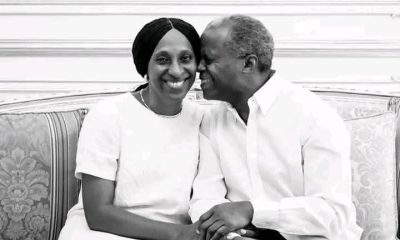
Former VP, Osinbajo Links Wife’s Headaches to Chemically-ripened Oranges
-
 News21 hours ago
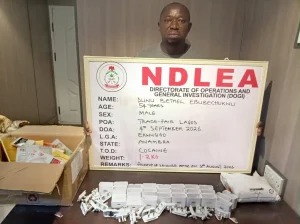
NDLEA Arrests Convicted Trafficker Behind 1.2kg Cocaine Shipment to Saudi Arabia
-
 News6 hours ago
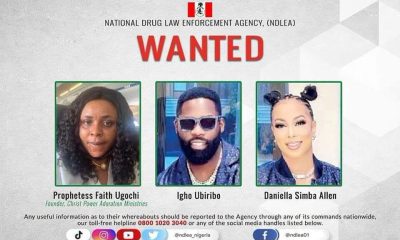
Igho ‘Tiny’ Ubiribo Who Died After Penis Enlargement Surgery was Once Declared Wanted for Drug Trafficking by NDLEA